



A broken tooth or a tooth that has fallen out can be a distressing situation, often causing pain and affecting the appearance of your smile. These dental emergencies may result from accidents, falls, biting hard foods, or underlying dental issues. Acting quickly can make a huge difference in saving the tooth and avoiding future complications.
At the Atelier do Sorriso Clinic in Almancil, Faro, we offer specialised treatments for chipped or broken teeth, as well as reimplantation of knocked-out teeth (dental avulsion). In this article, we explain what to do immediately after breaking or losing a tooth, the most effective treatment options, and how to prevent these situations.
What Is a Broken Tooth?
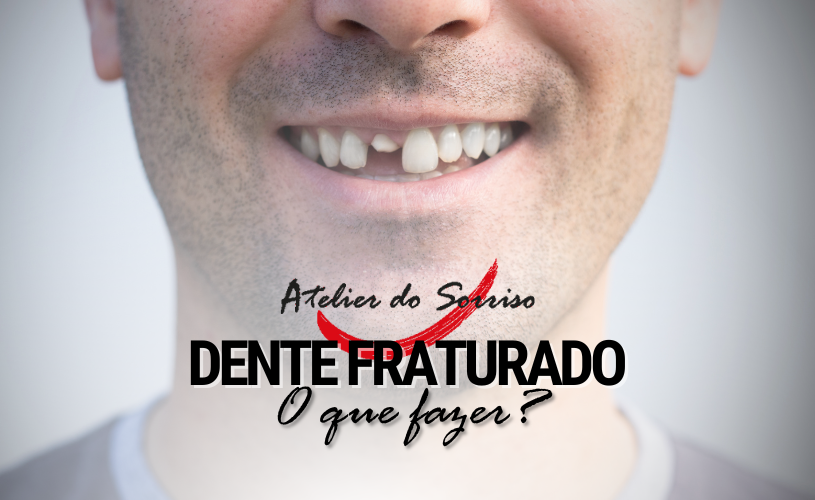
A broken tooth occurs when part or all of the tooth structure is damaged, ranging from minor enamel chips to deeper fractures involving dentin or even the pulp. Depending on the extent, it may cause sharp pain, sensitivity, and difficulty chewing.
Tooth fractures can happen due to various reasons, including:
- Direct trauma, such as a fall or blow during sports.
- Biting hard substances, like ice cubes or unpopped popcorn.
- Bruxism (teeth grinding), which gradually wears down tooth structure.
- Severe tooth decay, which weakens the tooth and increases risk of cracking.
Treatment for a broken or chipped tooth depends on its location and severity. Superficial chips can often be resolved with a simple restoration, while deeper fractures may require root canal treatment or even extraction.
Types of Tooth Fractures
Not all tooth fractures are the same. The type of crack or break determines the symptoms and the best treatment approach. The main types include:
1. Enamel Fracture
- Affects only the outermost layer of the tooth (enamel).
- Usually painless but may cause rough edges or visual discomfort.
- Treated with dental polishing or composite bonding.
2. Enamel and Dentin Fracture
- Involves both the enamel and the underlying dentin layer.
- Can lead to sensitivity to hot, cold or sweet foods.
- Requires dental filling or restoration to protect the exposed area.
3. Fracture Involving the Pulp
- Reaches the pulp chamber, which contains nerves and blood vessels.
- Causes severe pain and increases the risk of infection.
- Usually treated with root canal therapy followed by tooth reconstruction.
4. Root Fracture
- The break extends below the gum line, affecting the tooth root.
- Often requires an X-ray for proper diagnosis.
- Depending on severity, extraction and tooth replacement may be necessary.
Accurate diagnosis of the type of fracture is essential to choose the most suitable treatment. Early intervention helps avoid complications and increases the chances of saving the tooth.
What to Do Immediately After Breaking a Tooth
If you have a broken tooth, acting quickly can prevent complications and improve the chances of saving the tooth. Follow these steps to minimise damage until you can see a dentist:
Steps to Take After Breaking a Tooth:
- Rinse your mouth with warm water to remove debris and reduce the risk of infection.
- If there is bleeding, apply a clean gauze or soft cloth to the affected area.
- Avoid chewing on the broken tooth to prevent further damage.
- If possible, save any broken tooth fragments and bring them to your dentist – in some cases, they can be reattached.
- Apply a cold compress to the outside of your face to reduce swelling and relieve pain.
- If you’re in pain, you may take a painkiller, but avoid applying any medication directly to the tooth.
- Book a dental appointment as soon as possible to assess the damage and begin the appropriate treatment.
Even if the broken tooth doesn’t cause immediate pain, it’s essential to visit a dentist. Minor cracks can develop into more serious problems, such as infections or eventual tooth loss.
Treatment Options for Broken or Chipped Teeth
The treatment for a broken tooth depends on the severity of the damage and which part of the tooth is affected. The sooner it is treated, the better the chances of saving your natural tooth.
1. Composite Resin Filling
- Recommended for minor and surface-level fractures.
- The tooth is rebuilt with a tooth-coloured material for a natural finish.
- Simple and pain-free procedure done in a single appointment.
2. Dental Crown
- Used for more extensive fractures.
- Protects and strengthens the weakened tooth structure.
- Can be made from ceramic, zirconia or metal-ceramic, depending on the case.
3. Root Canal Treatment
- Necessary when the fracture reaches the tooth pulp.
- The damaged nerve tissue is removed to prevent infection and relieve pain.
- The tooth is then restored with a filling or crown.
4. Tooth Extraction and Dental Implant
- If the fracture affects the tooth root, extraction may be required.
- The missing tooth can be replaced with a dental implant, ensuring a long-lasting and functional result.
Each case should be assessed individually to determine the best solution. At the Atelier do Sorriso Clinic, we provide accurate diagnostics and offer modern treatments to repair broken teeth with minimal intervention.
Has Your Tooth Fallen Out Completely? You May Have a Knocked-Out Tooth…
A knocked-out tooth (also known as a dental avulsion) is a tooth that has completely fallen out of the mouth, including the root. This usually happens as a result of severe trauma such as falls, sports injuries, or direct impacts. Unlike a broken tooth, a knocked-out tooth can sometimes be reimplanted — but only if the right steps are taken quickly.
Most common causes of dental avulsion:
- Sports accidents, especially in contact sports.
- Falls or direct impacts to the mouth.
- Fights or physical assaults resulting in facial trauma.
- Road traffic accidents affecting the mouth or jaw area.
When a permanent tooth falls out, response time is critical. Knowing what to do in the first 30 to 60 minutes can determine whether reimplantation is possible.
What to Do When a Permanent Tooth Falls Out
If a tooth is completely knocked out, acting quickly improves the chances of successful reimplantation. Time is of the essence and can be the deciding factor between saving or losing the tooth.
Steps to Save a Knocked-Out Tooth:
- Locate the tooth and hold it by the crown (the white part). Avoid touching the root to protect the delicate fibres needed for reattachment.
- If it’s dirty, rinse it with saline solution or milk. Do not scrub or use soap.
- If possible, reinsert the tooth into the socket gently and hold it in place by biting on a clean cloth.
- If reinsertion isn’t possible, store it in a suitable medium:
- Saline solution or milk are the best options.
- If these are not available, keep the tooth inside your mouth, between your cheek and gums.
- See a dentist immediately. The chances of a successful reimplantation are much higher if done within the first 30 to 60 minutes.
What Not to Do:
🚫 Do not let the tooth dry out.
🚫 Do not store it in plain water (it can damage the root cells).
🚫 Do not scrub or scrape the root to clean it.
If a tooth has fallen out and reimplantation is not possible, there are alternative solutions such as dental implants or fixed prosthetics, ensuring a functional and natural-looking smile.
Treatment Options for Missing Teeth
If a tooth has fallen out, the right treatment will depend on how much time has passed between the avulsion and seeing a dentist. The sooner the tooth is treated, the higher the chances of saving it.
1. Tooth Reimplantation
- The dentist repositions the tooth into the socket and stabilises it using a flexible splint.
- If the dental pulp is damaged, a root canal treatment may be required.
- The success of the reimplantation depends on how long the tooth was outside the mouth and how it was stored.
2. Fixed or Removable Dentures
- If reimplantation isn’t possible, a denture can be used to replace the missing tooth.
- This can be a removable appliance (such as a partial denture) or a fixed option (like a crown supported by an implant).
3. Dental Implant
- If the tooth fell out and cannot be reimplanted, a dental implant may be the best long-term solution.
- The implant replaces the missing root and supports a custom-made crown.
- Provides a natural, long-lasting, and functional result.
At the Atelier do Sorriso Clinic, we assess each case individually to determine the best solution for tooth loss. If a tooth has been knocked out, seek immediate dental care to improve the chances of recovery.
Preventing Tooth Fractures and Loss
Although a broken tooth or tooth loss can happen unexpectedly, certain precautions can help reduce the risk of accidents and preserve your dental health.
1. Use of Mouthguards
- Essential for those who play contact sports such as football, boxing or martial arts.
- Protects teeth from trauma and reduces the risk of fractures or avulsions.
- Custom-made guards are available for better comfort and protection.
2. Avoid Biting Hard Objects
- Ice, unpopped popcorn kernels, and pencils can cause cracks or chips in teeth.
- Choose softer foods or break hard items into smaller, bite-sized pieces.
3. Treat Teeth Grinding (Bruxism)
- Grinding your teeth can lead to weakening and spontaneous fractures.
- Occlusal splints (night guards) help protect your teeth during sleep.
4. Regular Dental Check-Ups
- Allow early detection of cavities or small cracks that could lead to a fracture.
- Professional cleanings help strengthen the teeth and prevent damage.
Prevention is the best way to avoid situations like a broken tooth or a knocked-out tooth. Small daily habits can make a big difference in the health and longevity of your natural teeth.
Don’t Wait to Act – Protect Your Smile Now
If you have a broken tooth or a tooth that has fallen out, acting quickly can be the difference between saving the tooth or needing a replacement. The sooner you see a dentist, the better your chances of successful treatment and full recovery.
At the Atelier do Sorriso Clinic in Almancil, Faro, our team of specialists is ready to handle dental emergencies, offering modern solutions to restore your smile. If you’re going through this situation, book an appointment today and get the care you need.
Address: Rua João de Deus, Lote 1C, Almancil, Algarve (View on Maps)
Book Your Appointment Now: Atelier do Sorriso Clinic
Call 💬 WhatsApp
or fill in the form and we will call you back!
📍 Atelier do Sorriso Almancil, Faro, Algarve