



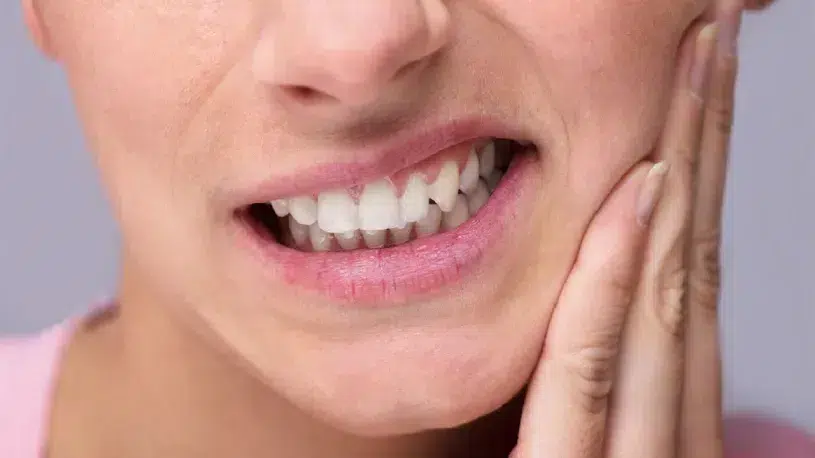
Do you often wake up with headaches? Do you feel jaw pain and discomfort in your neck? If you are reading this article, it is because you suspect you may have bruxism, are we right? We will help you better understand the causes of bruxism and the available ways to treat it.
What is Bruxism?
Although the word “bruxism” may not be very familiar, the problem it describes, unfortunately, is. It is an involuntary habit that often affects us without us noticing — grinding or clenching the teeth.
Bruxism can occur during the day or at night, and each of these variants presents its own characteristics and symptoms. Daytime bruxism and nighttime bruxism can indeed become unwanted companions in many people’s lives.
Daytime Bruxism and Nighttime Bruxism
The difference between daytime and nighttime bruxism essentially lies in the time of day it occurs and your awareness of it.
Daytime bruxism, also known as awake bruxism, is generally conscious and often triggered by stress or anxiety, whereas nighttime bruxism, also known as sleep bruxism, occurs during sleep and is therefore unconscious.
Bruxism in Babies
It may surprise some parents, but bruxism in babies is quite common. Sometimes it is a sign that new teeth are erupting or that the child is experiencing discomfort or pain. Usually, this habit disappears as the baby grows.
Symptoms of Bruxism
The symptoms of bruxism can vary widely, from headaches and jaw pain to tooth wear. Here are some warning signs to consider:
- Pain in the jaw, face, or ear
- Worn, chipped, or loose teeth
- Tooth sensitivity
- Headaches, especially upon waking
- Difficulty opening or closing the mouth

Causes of Bruxism
The causes of bruxism are varied, with many specialists believing that a combination of physical, psychological, and genetic factors may be involved. Some of the most common causes include:
- Stress and anxiety
- Consumption of alcohol or caffeine
- Response to pain, such as an ear infection or toothache
- Certain medications, including antidepressants
- Genetic factors
Treatments for Bruxism
Bruxism can be a real challenge to manage, but fortunately, there are several treatment options available to relieve symptoms and prevent future dental damage. Here are some options your dentist may suggest.
1. Relaxation Splint for Bruxism

The relaxation splint, also known as an occlusal splint, is one of the most common treatments for bruxism. This splint, custom-made for the patient, is placed over the teeth to prevent direct contact between them, thus minimising wear and muscle tension.
By wearing the splint during sleep, pressure on the jaw can be reduced, helping to prevent further damage to the teeth.
2. Botulinum Toxin to Treat Bruxism
The injection of botulinum toxin, commonly known as Botox, is an effective treatment, although less conventional, for bruxism. Botulinum toxin is injected into the masseter and temporal muscles, reducing their ability to contract and, consequently, the force with which the teeth clench or grind.
This treatment must be administered by a qualified healthcare professional and can provide relief for several months before needing to be repeated.
3. Relaxation Techniques for Bruxism and Alternative Therapies
Relaxation techniques, such as meditation, yoga practice, or cognitive behavioural therapy, can be very helpful in combating bruxism, especially when it is triggered by stress or anxiety.
These techniques can help reduce overall tension and promote more restful sleep, thereby reducing the likelihood of grinding teeth during the night.
4. Improving Your Bite
In some cases, bruxism may be caused or worsened by a misaligned bite. If your upper and lower teeth do not meet properly, this can create additional stress on the jaw muscles, contributing to bruxism.
In such cases, the dentist may suggest orthodontic or dental procedures to correct the bite and relieve tension. This improvement may involve the use of braces, crowns, veneers, or even surgical intervention, depending on the severity of the misalignment.
With the right approach, it is possible to manage bruxism effectively and prevent the long-term damage it may cause. Speak with your dentist about the best treatment option for you.
Frequently Asked Questions About Bruxism
How is Bruxism Diagnosed?
Bruxism is usually diagnosed by a dentist, who can identify signs of tooth wear or enamel damage. In some cases, a sleep study may be required.
Can Bruxism Be Cured?
Although there is no definitive “cure” for bruxism, there are several treatment options that can help manage symptoms and prevent further damage.
Is Bruxism Dangerous?
While bruxism itself is generally not considered dangerous, it can lead to long-term complications if left untreated, including permanent tooth damage, temporomandibular joint (TMJ) dysfunction, and chronic pain.
Can Bruxism Cause Pain?
Yes, bruxism can cause headaches, especially upon waking, as well as facial pain.
Is Bruxism Related to Stress?
Yes, stress is one of the factors that can trigger or worsen bruxism. Managing stress is important to help control bruxism symptoms.
Who Should I Consult if I Suspect I Have Bruxism?
If you suspect you have bruxism, you should schedule an appointment with your dentist. They can examine your teeth for signs of bruxism and discuss treatment options with you.
Do You Suspect You Have Bruxism?
Although bruxism is a common problem, it should not be ignored. If you suspect you suffer from bruxism, it is essential to consult an oral healthcare professional. Early identification and proper treatment can help prevent long-term damage to your teeth and keep your smile healthy and bright. Do not allow bruxism to damage your smile — fight it with knowledge and proper action.
Do You Want to Treat Bruxism in the Algarve?
Call (+351) 915 550 999 ℹ️ or use the form below to schedule your appointment at our Atelier do Sorriso Almancil Clinic, Faro, in the heart of the Algarve.
We are 5 stars on Google Reviews ⭐⭐⭐⭐⭐ and listed among the best dentists in the Algarve.