



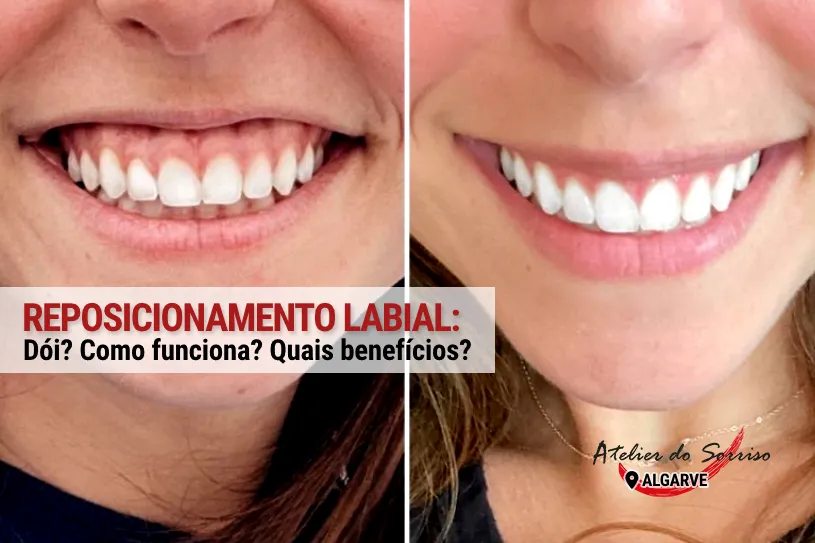
Lip repositioning is an aesthetic treatment aimed at adjusting the position of the lips to enhance smile harmony and balance the relationship between teeth, gums, and facial structures.
This procedure is a popular choice among patients seeking a more symmetrical and natural smile, especially when minor lip imbalances affect facial aesthetics or confidence when smiling.
Unlike more invasive interventions, lip repositioning is a minimally invasive technique, recommended for correcting features such as excessive gum exposure or barely visible teeth.
It is performed by experienced professionals and can be tailored to each patient’s individual needs, offering personalized and long-lasting results.
Indications for the Procedure
Lip repositioning is recommended for individuals who wish to correct imbalances in lip position, whether for aesthetic or functional reasons, in specific situations that affect smile harmony and may cause discomfort to the patient.
Main Indications for Lip Repositioning:
- Excessive gum exposure: Known as a gummy smile, where the lips reveal more gum tissue than desired.
- Low tooth visibility: In some cases, the lips cover more of the teeth than normal, compromising smile aesthetics.
- Lip asymmetry: Differences in lip position or movement that create a visual imbalance.
- Changes due to aging: Natural sagging or muscular changes can alter lip positioning over time.
- Facial proportion restoration: When the lips do not match the proportions of the teeth and gums, affecting facial symmetry.
This procedure is an effective solution for patients seeking visible improvements without resorting to more complex interventions. Lip repositioning can also complement other facial aesthetic treatments, contributing to harmonious overall results.
✅ Benefits of Lip Repositioning
Lip repositioning offers a range of benefits that go beyond aesthetics, directly impacting the patient’s quality of life and well-being.
This procedure is valued for being a personalized and minimally invasive solution, ideal for those looking to enhance the appearance of their smile in a discreet and effective way.
Aesthetic and Functional Benefits:
- Improved facial harmony: Adjusts lip position to create balance between teeth, gums, and other facial structures, resulting in a more natural smile.
- Boost in confidence: Patients report increased self-esteem and confidence when smiling, especially in social and professional settings.
- Minimally invasive procedure: Compared to more complex surgeries, lip repositioning offers visible results with shorter recovery time.
- Personalized results: The treatment is tailored to the individual characteristics of each patient, ensuring a unique and harmonious outcome.
- Complementary to other treatments: Can be combined with dental treatments such as dental veneers or whitening for a more complete and attractive smile.
This procedure is also an effective option for addressing facial proportion issues caused by aging or natural features, without significantly altering the patient’s identity.
How Is Lip Repositioning Performed?

Lip repositioning is a carefully planned procedure performed by specialized professionals, focusing on safety and natural results. From the initial assessment to the application of the technique, the process is tailored to the needs of each patient.
Treatment Steps:
- Initial consultation:
The process begins with an initial consultation, during which the professional evaluates the patient’s facial structure, lips, and smile. At this stage, needs are identified and treatment goals are defined. - Personalized planning:
Following the assessment, a detailed plan is created, taking into account the proportion between the lips, teeth, and gums. This step is essential to ensure a harmonious and functional result. - Procedure execution:
The repositioning is performed using minimally invasive techniques, such as the application of local anesthesia and small tissue adjustments to modify lip position. The entire process is painless and comfortable for the patient. - Post-treatment guidelines:
After the procedure, the patient receives specific instructions for care in the following days, ensuring a quick recovery and the best possible outcome.
The total treatment time varies depending on the complexity of the case, but it is generally a quick procedure with visible effects within the first few weeks.
Post-Operative Care
Proper care after a lip repositioning treatment is essential to ensure the success of the procedure and a smooth, fast, and appropriate recovery.
Following the professional’s instructions contributes to satisfactory results and reduces the risk of complications.
Post-Treatment Care:
- Avoid physical exertion: In the first few days, avoid intense activities that may increase blood flow to the treated area.
- Sun protection: Use sunscreen and avoid direct sunlight exposure to prevent irritation or changes in the skin.
- Balanced diet: Opt for soft foods and avoid hot or spicy options that could cause discomfort in the treated area.
- Strict hygiene: Maintain good oral hygiene to prevent infections, but avoid pressing or touching the treated region.
- Professional follow-up: Attend follow-up appointments as instructed by the specialist to monitor recovery.
Possible Risks and Complications after Lip Repositioning
Although lip repositioning is considered a safe and minimally invasive procedure, like any aesthetic intervention, there may be risks or complications, especially if the recommended care is not followed.
It is important that the patient is informed of all possibilities before proceeding with the treatment. Some Associated Risks:
- Swelling and redness: It is common for the treated area to show slight swelling or redness in the first few days, usually resolving without intervention.
- Temporary sensitivity: Some people may feel sensitivity or discomfort in the treated area, but this is typically temporary.
- Risk of infection: Although rare, an infection can occur if post-treatment care is not properly followed.
- Mild asymmetry: In rare cases, there may be small differences in lip position, which can be corrected during follow-up sessions.
How to Reduce Risks?
Choosing a specialized clinic, such as Atelier do Sorriso, and an experienced professional is key to minimizing risks. Additionally, following pre- and post-treatment instructions, maintaining good hygiene, and attending review appointments helps prevent complications and ensures a smooth recovery.
With proper support, the risks are minimal, making lip repositioning a reliable choice for improving smile aesthetics.
⁉️ Frequently Asked Questions about Lip Repositioning
1. Who can undergo lip repositioning?
It is indicated for people who wish to improve smile aesthetics, correct asymmetries, or treat conditions such as a gummy smile. An initial evaluation is essential to determine eligibility.
2. Is the procedure painful?
No, lip repositioning is minimally invasive and performed under local anesthesia, ensuring comfort during the procedure.
3. How long does lip repositioning take?
The procedure is quick and usually lasts about 30 to 60 minutes, depending on the individual characteristics of the patient.
4. How long is the recovery time?
Recovery is fast, with most patients resuming normal activities the next day. There may be some swelling or sensitivity, but it typically disappears within a few days.
5. What are the post-treatment care recommendations?
Avoid intense physical exertion, direct sun exposure, and hot or spicy foods in the first few days. It is also important to maintain good oral hygiene.
6. How long do the results last?
The results are long-lasting and may remain for several years, depending on factors such as natural aging and personal care.
7. What are the possible risks or side effects?
Risks are minimal but may include swelling, redness, or mild discomfort — all temporary and usually resolved without intervention.
8. What is the cost of lip repositioning?
The cost varies depending on the clinic and the complexity of the case. A consultation is necessary to receive a personalized estimate.
9. Can lip repositioning be combined with other treatments?
Yes, it is common to combine it with other procedures such as dental veneers, teeth whitening, or facial harmonization for an even more complete and harmonious result.